
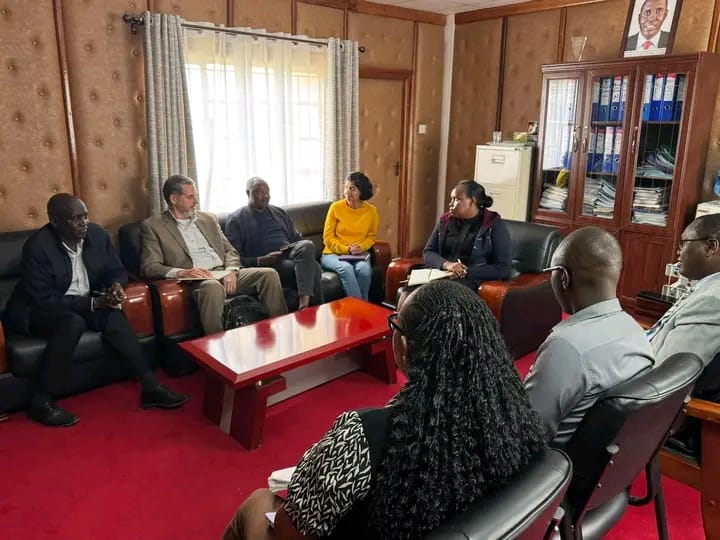
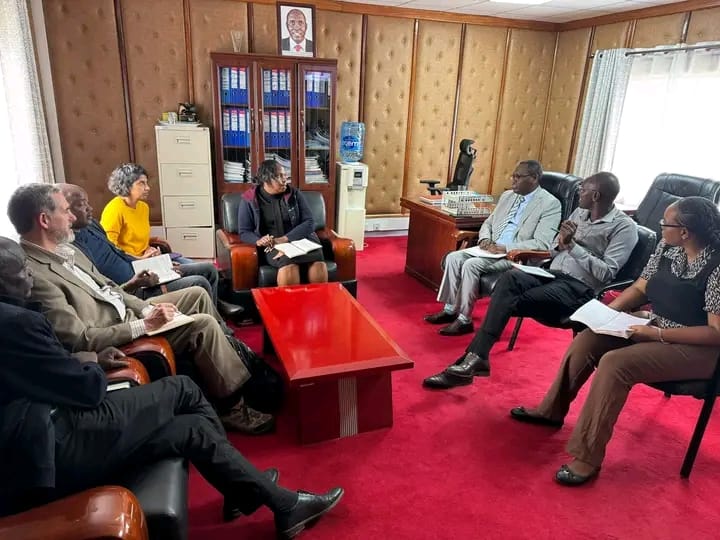
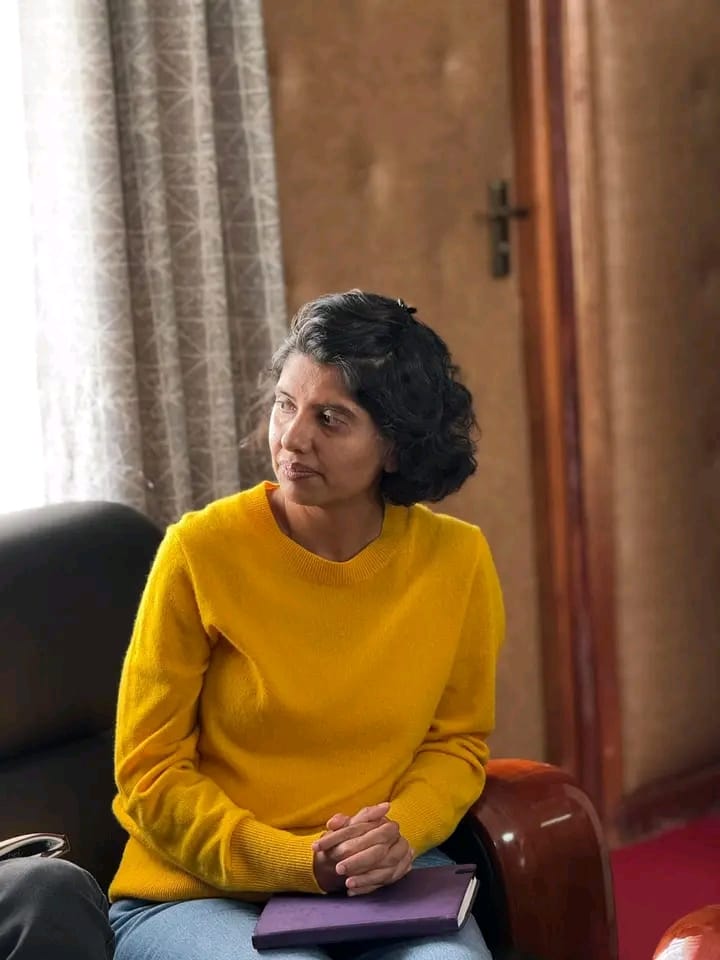
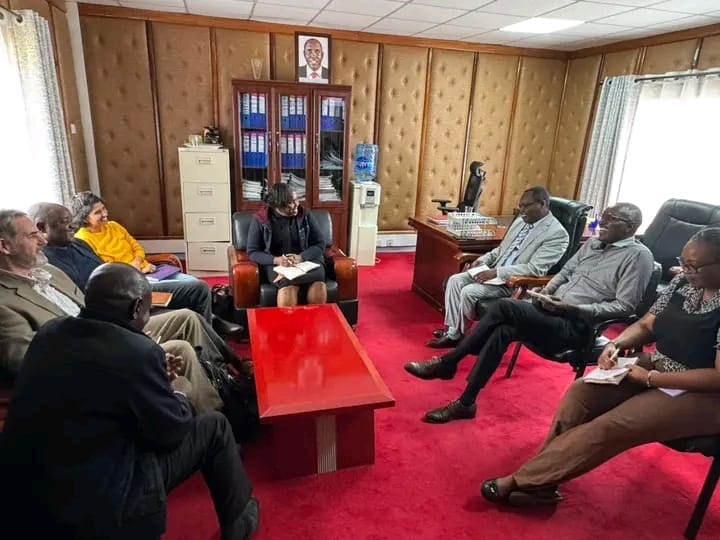
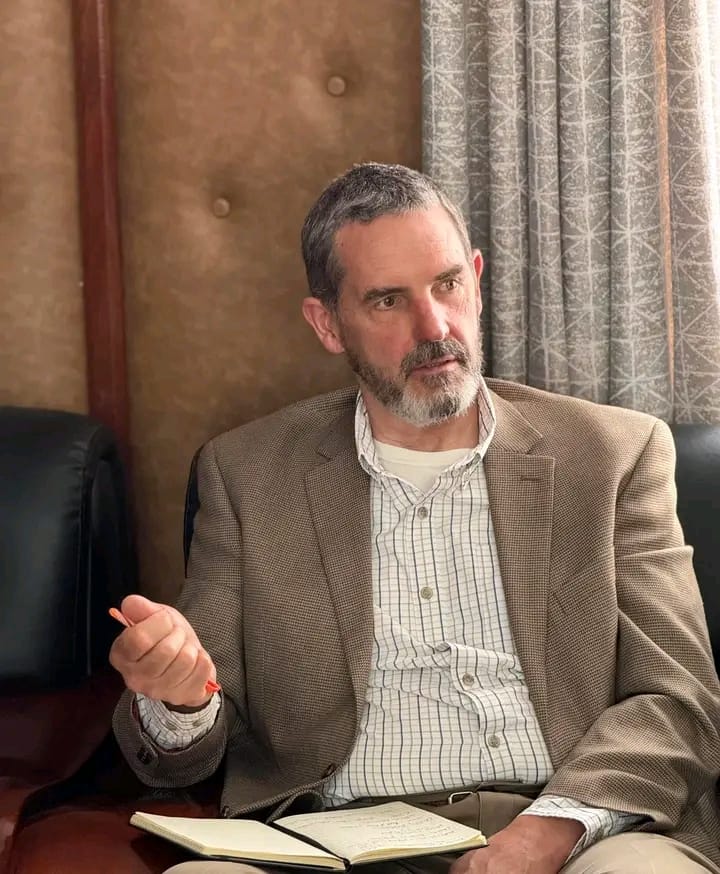
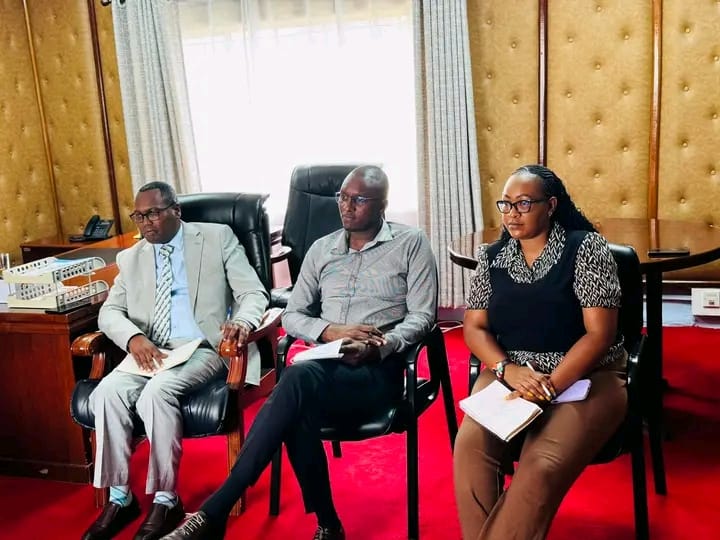
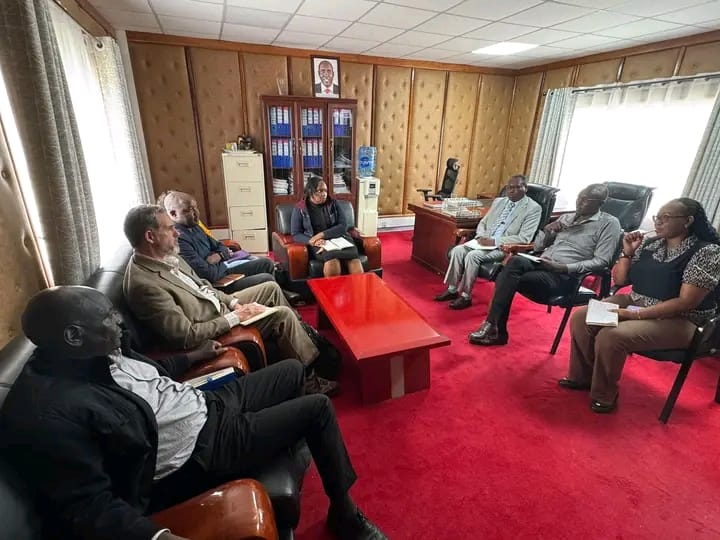
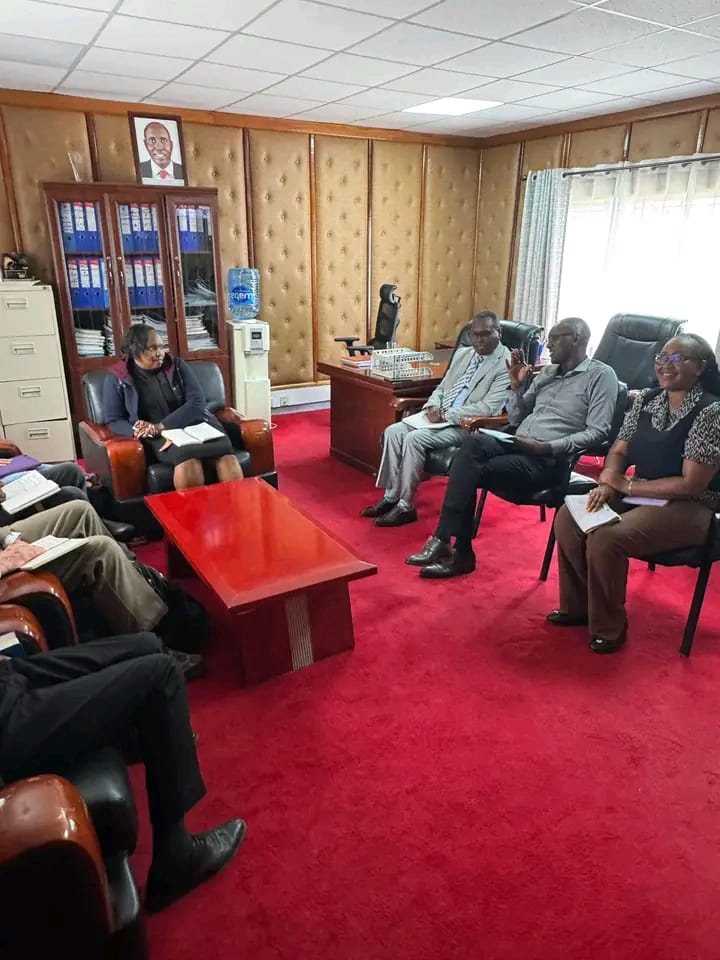
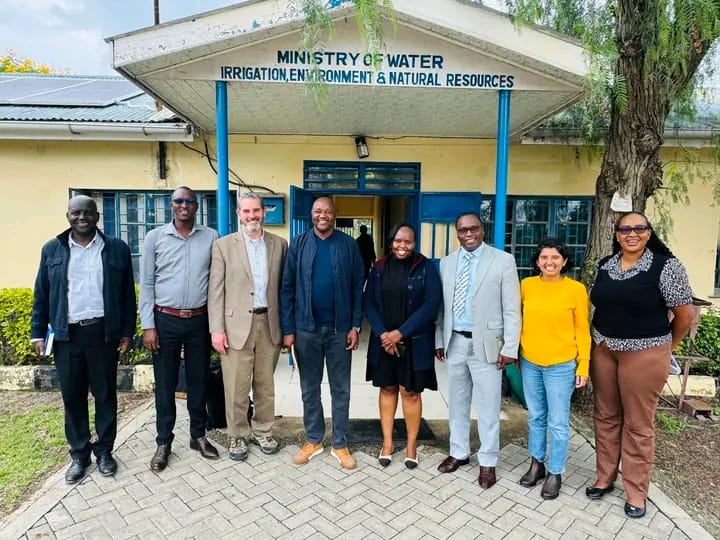
A recent courtesy visit was made to the Kajiado County Department of Water Services, Environment, Natural Resources, and Climate Change by the Directors of Soils for the Future Africa, including Tim Tear, Jackson Kikardi, Dr. Francis Polong, and Deepali. The purpose of their visit was to assess the progress, current status, and implementation framework of the ongoing carbon project in the county (KRCP).
They were warmly welcomed by Madam Judy Pere, the CECM for Water Services, Environment, Natural Resources, and Climate Change, along with Chief Officer James Ngugi, Director of Climate Change Peter Pushati, and Deputy Director for Climate Change Vivian Mashipei. This meeting served as a vital opportunity for strategic discussions between the organization and the County Government.
The conversations focused on the carbon project’s current status in relation to the Community Development Agreements (CDAs). Topics included compliance milestones, governance structures at the community level, benefit-sharing mechanisms, and the progress made on agreed development priorities. The team took time to review the successes achieved so far, such as community mobilization, enhanced land management practices, improved grazing governance systems, and the socio-economic benefits that have already started to reach the participating communities.
A strong emphasis was placed on the importance of transparency, accountability, and ensuring alignment with the county's climate action priorities. The discussions also looked into ways to improve coordination between county technical teams and project implementers, aiming for sustainability, effective monitoring, and long-term environmental impact.
Madam Judy Pere and her team reiterated the County Government’s dedication to ongoing collaboration with Soils for the Future Africa, acknowledging the significant grassroots impact of the project in promoting climate resilience, restoring ecosystems, and improving livelihoods. This partnership was recognized as a prime example of how public institutions and development partners can work together effectively.