
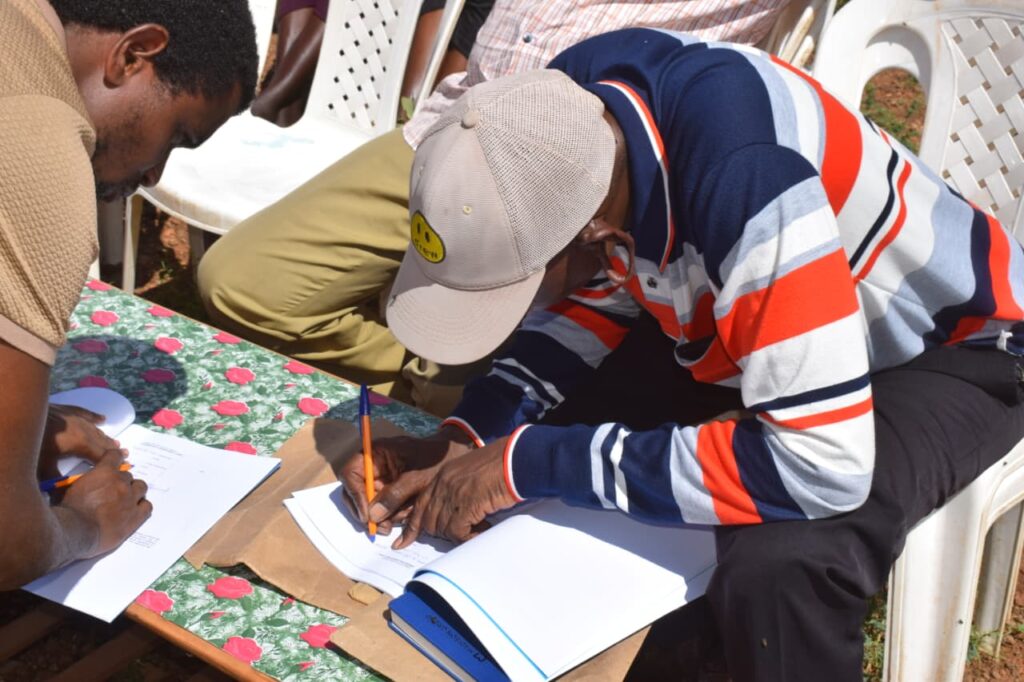
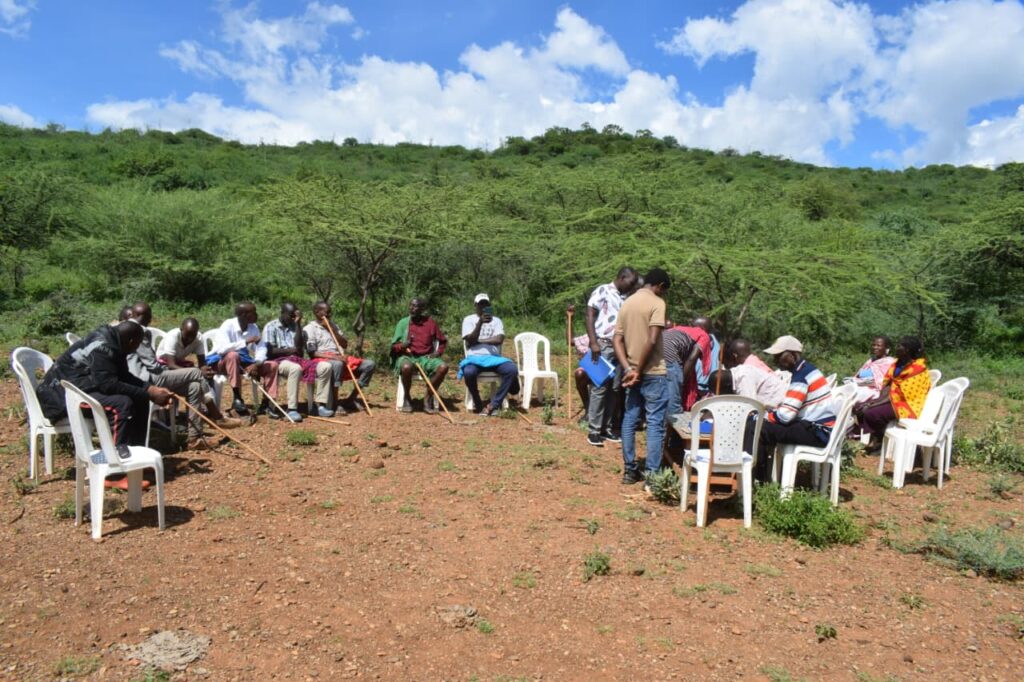
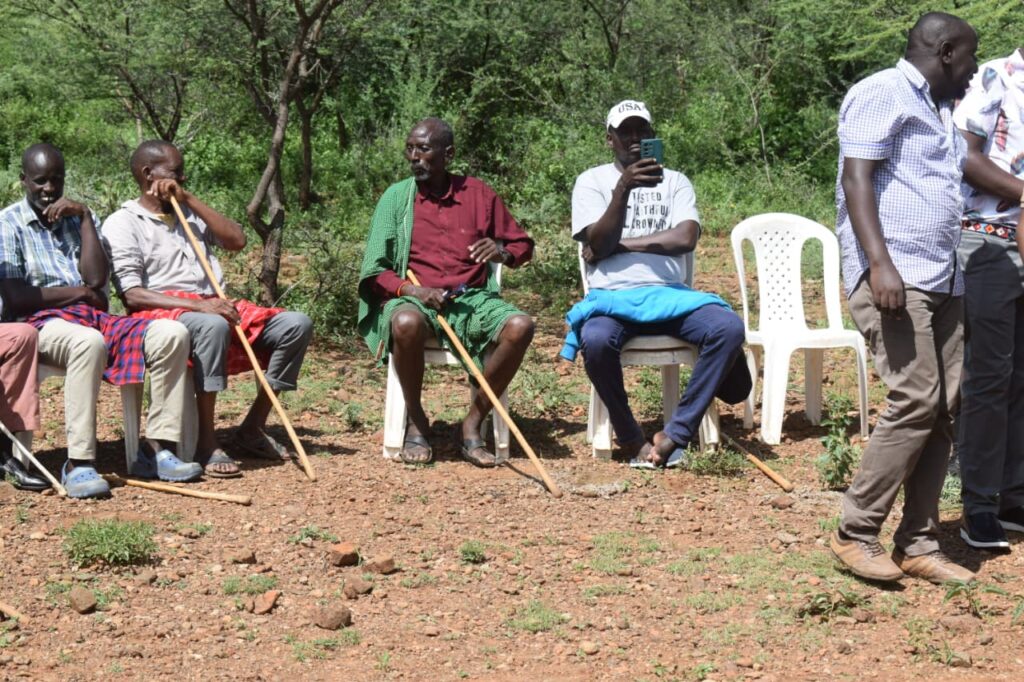
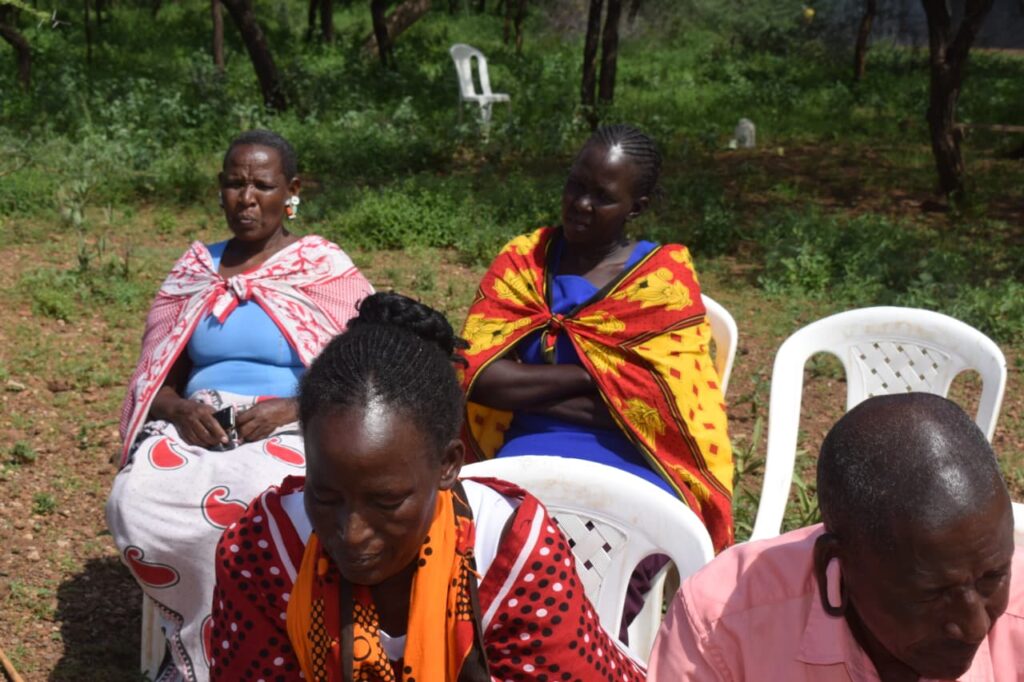
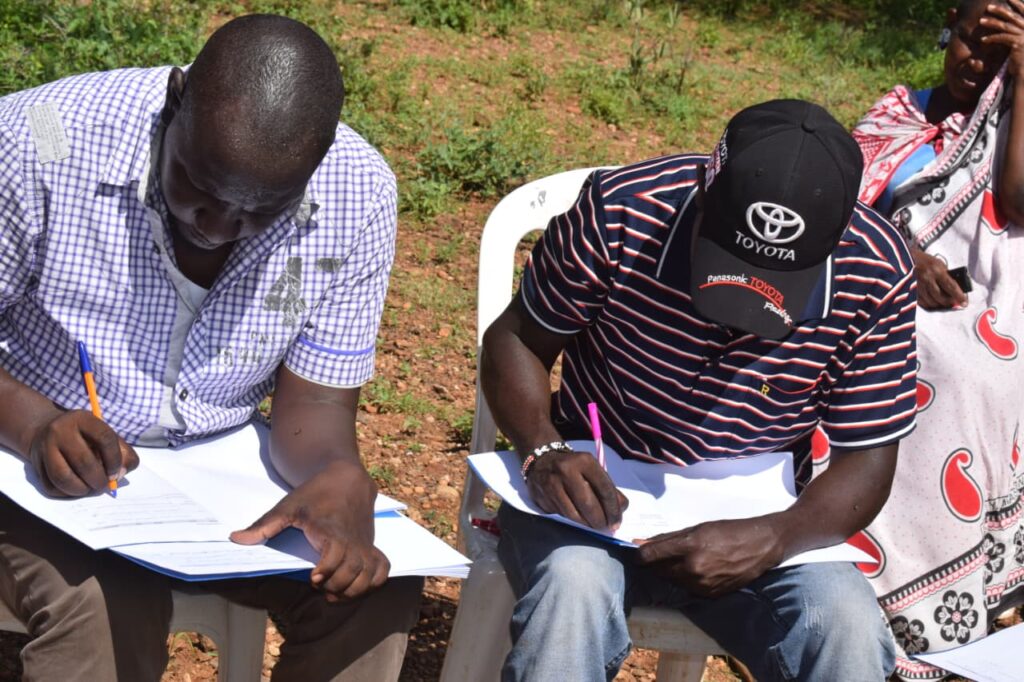
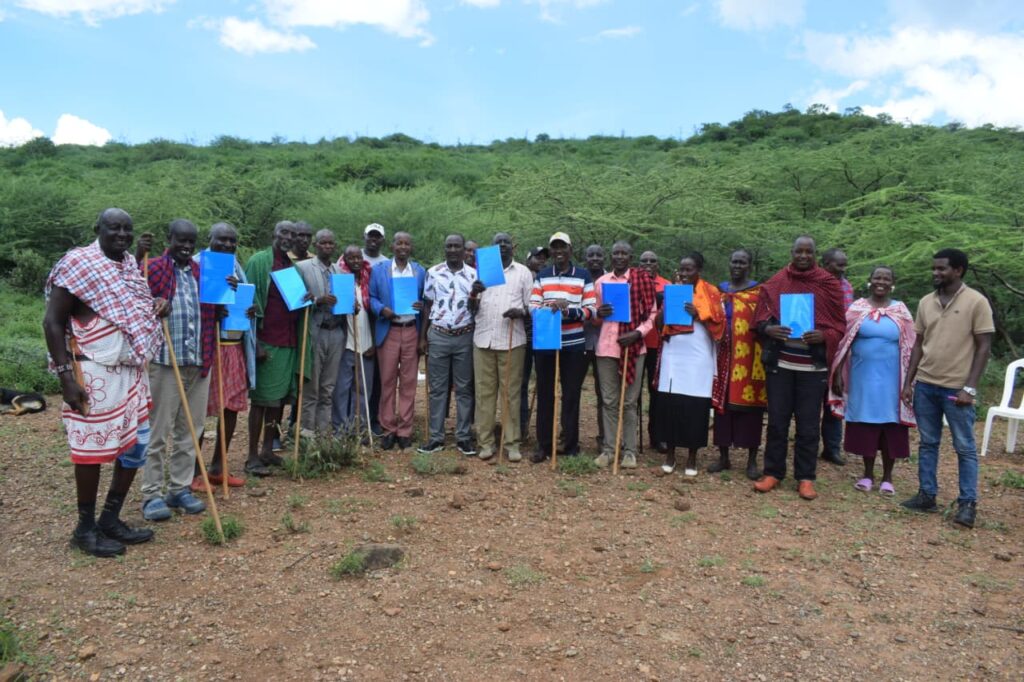
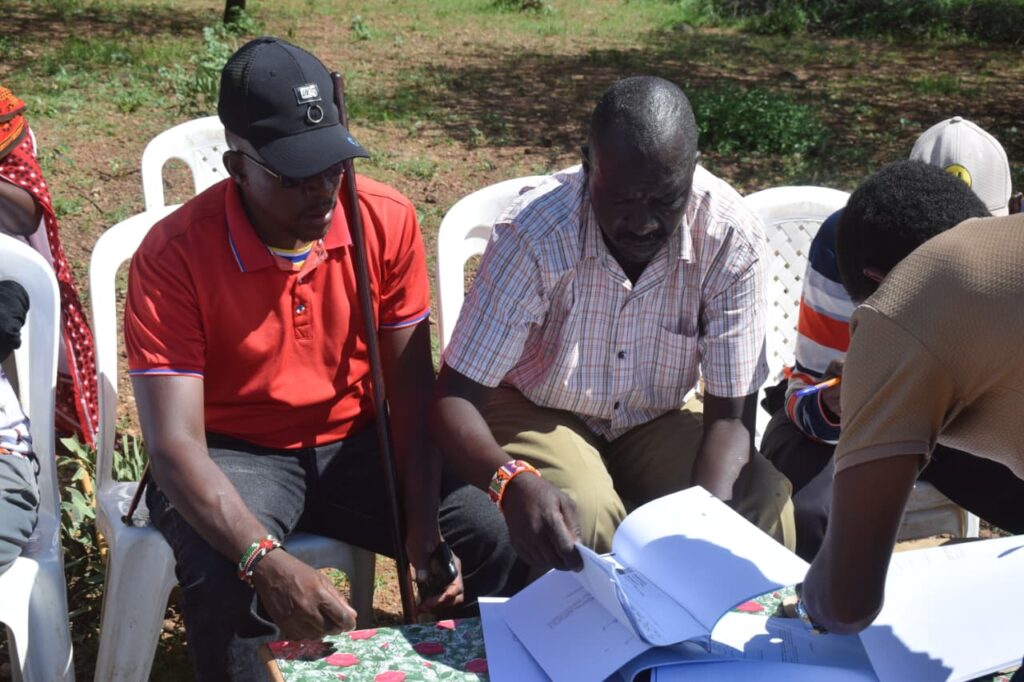


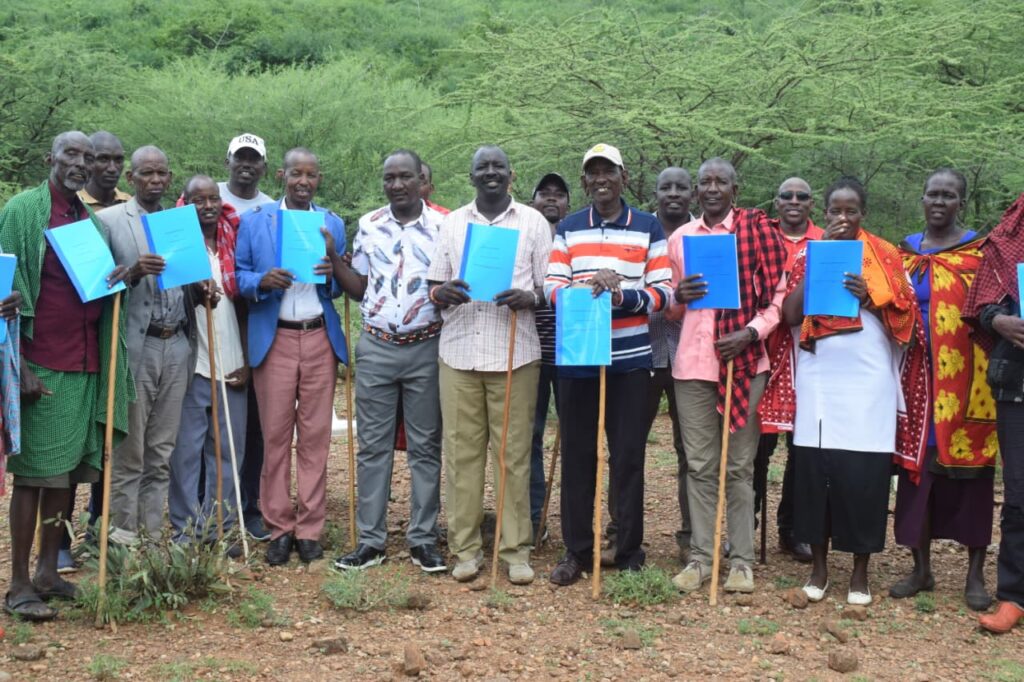
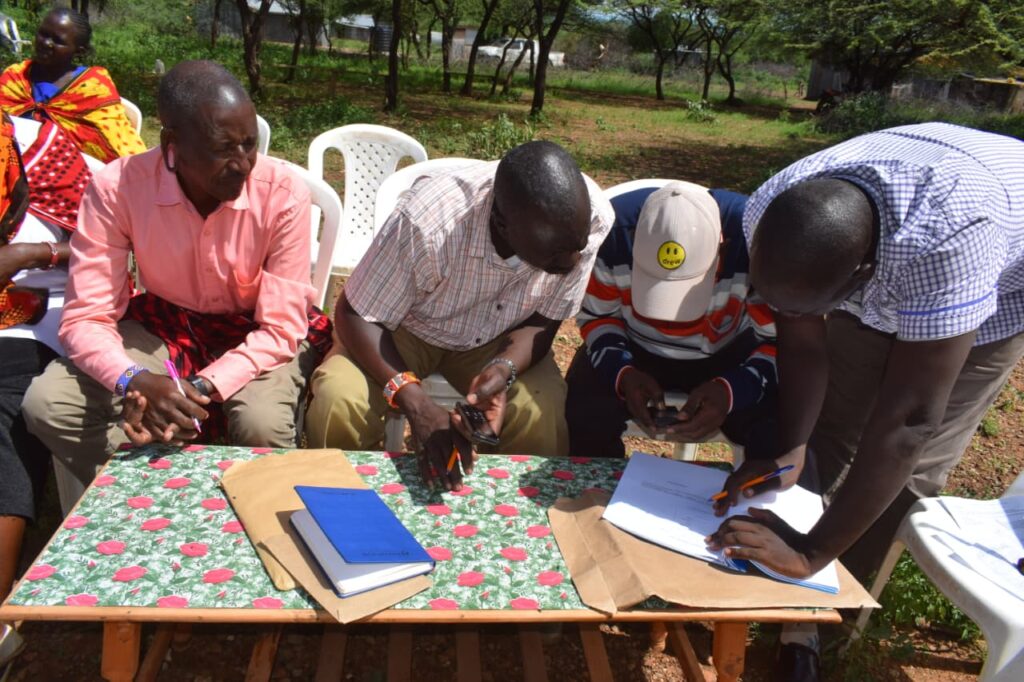
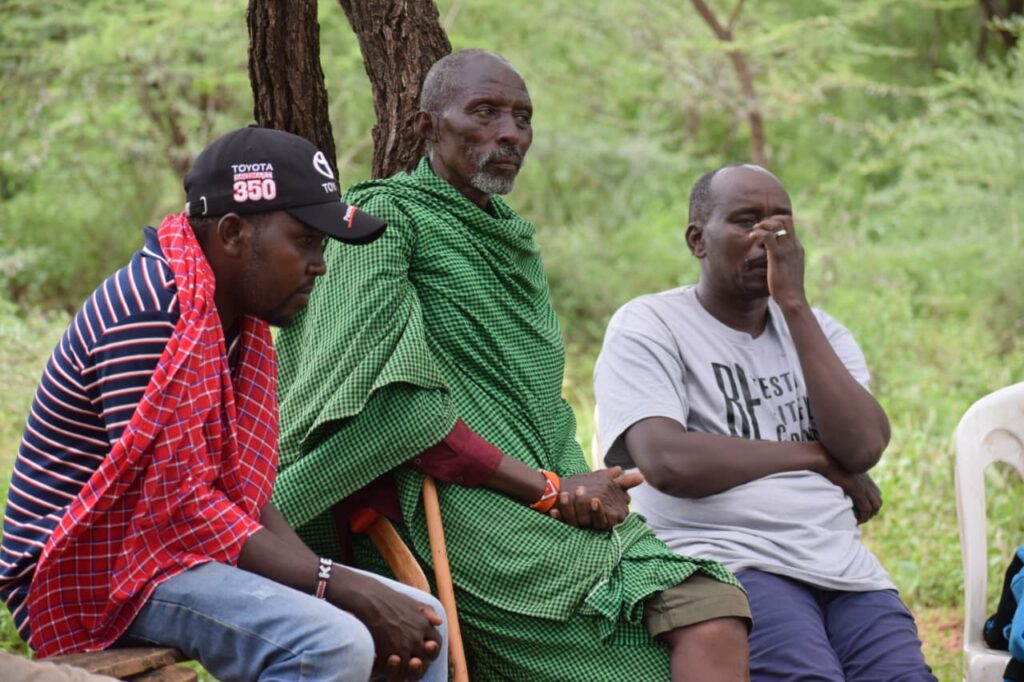

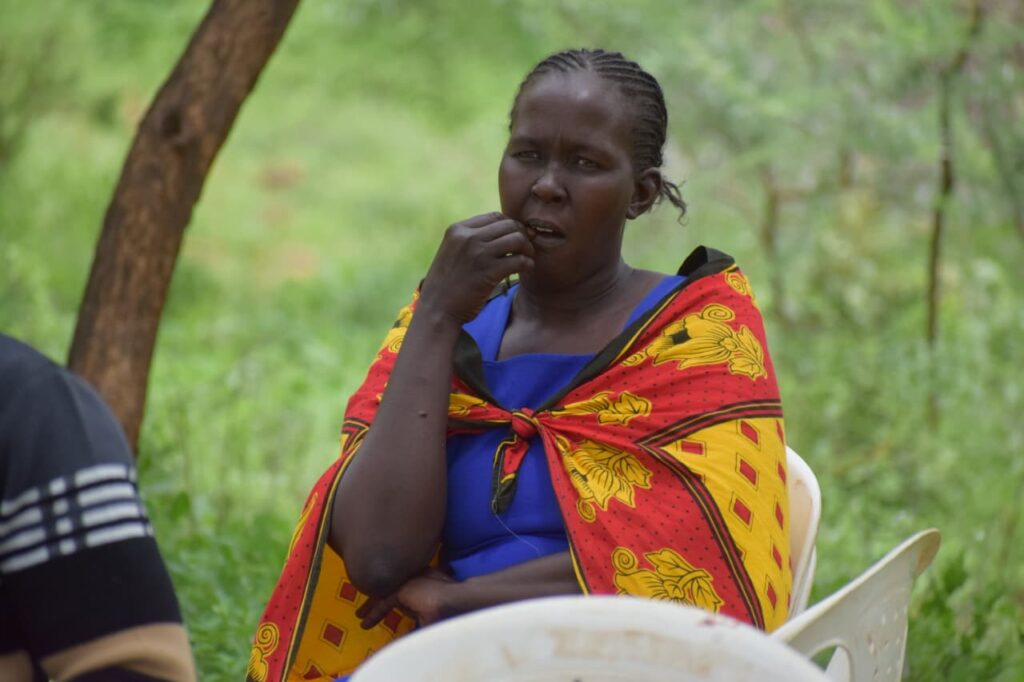


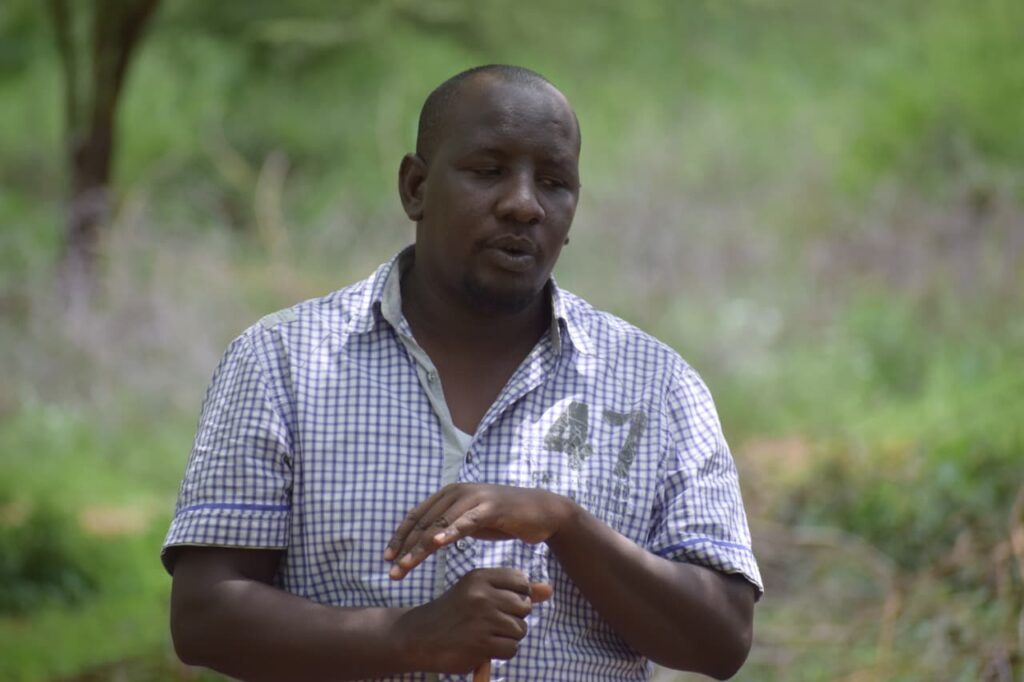

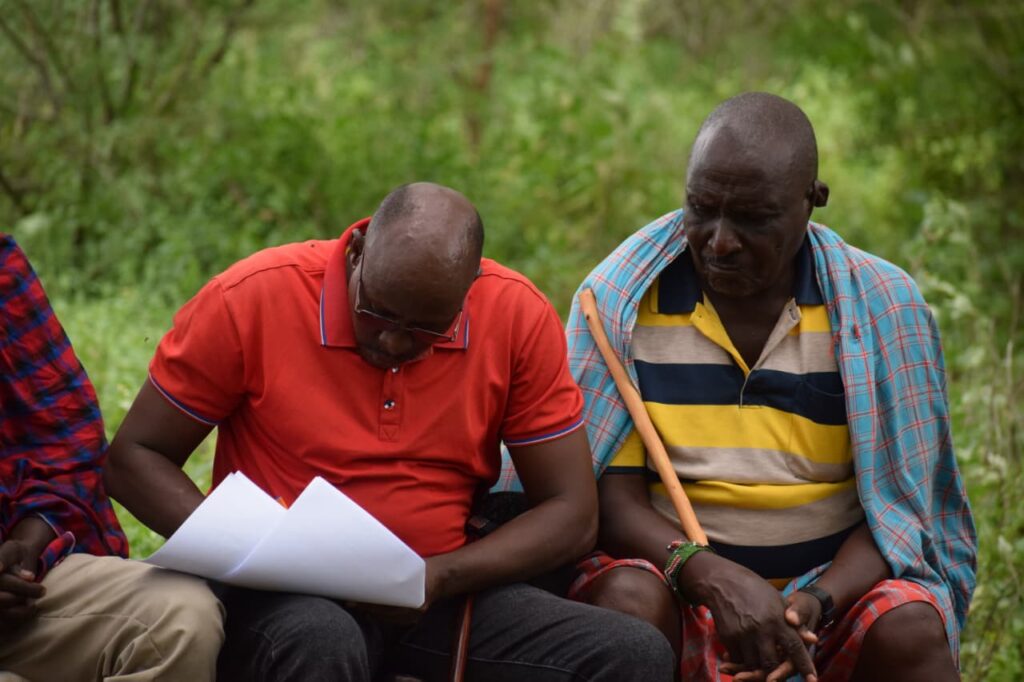
More conservancies in Kajiado West are gradually embracing carbon credit initiatives, marking a significant shift towards sustainable rangeland management and better livelihoods for the community. Enkereyian Conservancy is one of the latest to make this important move, having officially signed both the Benefit Sharing Agreement (BSA) and the Transfer of Carbon Rights (TCR) Agreement with Soils for the Future Africa.
This development is part of a larger trend in the region, where communities are increasingly appreciating the benefits of structured grazing systems and climate-smart land use practices. By entering into these agreements, Enkereyian Conservancy establishes a framework that promotes transparency, accountability, and fair distribution of the benefits that come from the carbon project over time.
What’s more, this partnership is about more than just financial gains. At its heart is the implementation of the Rapid Rotational Grazing management plan a science-backed strategy aimed at restoring degraded rangelands. With planned grazing, livestock are rotated through specific areas, giving pastures the time they need to recover. This results in better grass cover, increased soil organic carbon, improved water retention, and ultimately, a healthier ecosystem.
For pastoralist communities, the advantages are both environmental and socio-economic. Healthier pastures lead to healthier livestock, greater productivity, and less need for long treks in search of grazing. Additionally, the structured management system enhances community organization, encourages collective decision-making, and builds resilience against climate challenges like prolonged droughts.
The inclusion of Enkereyian Conservancy is not just about signing another agreement; it represents a strategic investment in long-term sustainability where environmental conservation, improved livelihoods, and responsible land stewardship work together for the future of Kajiado West.