

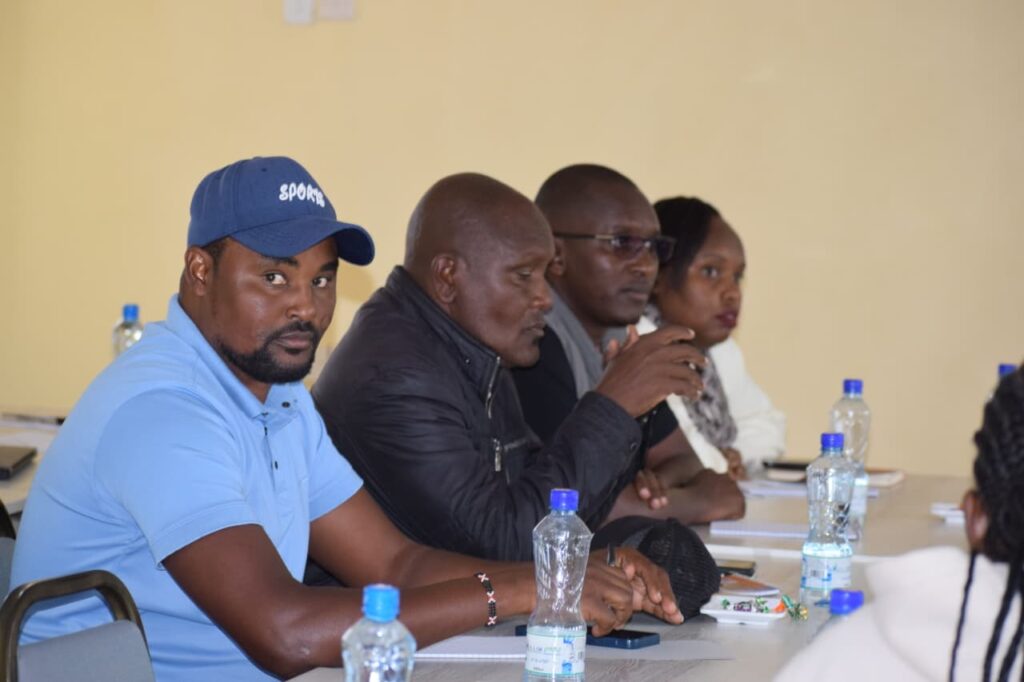
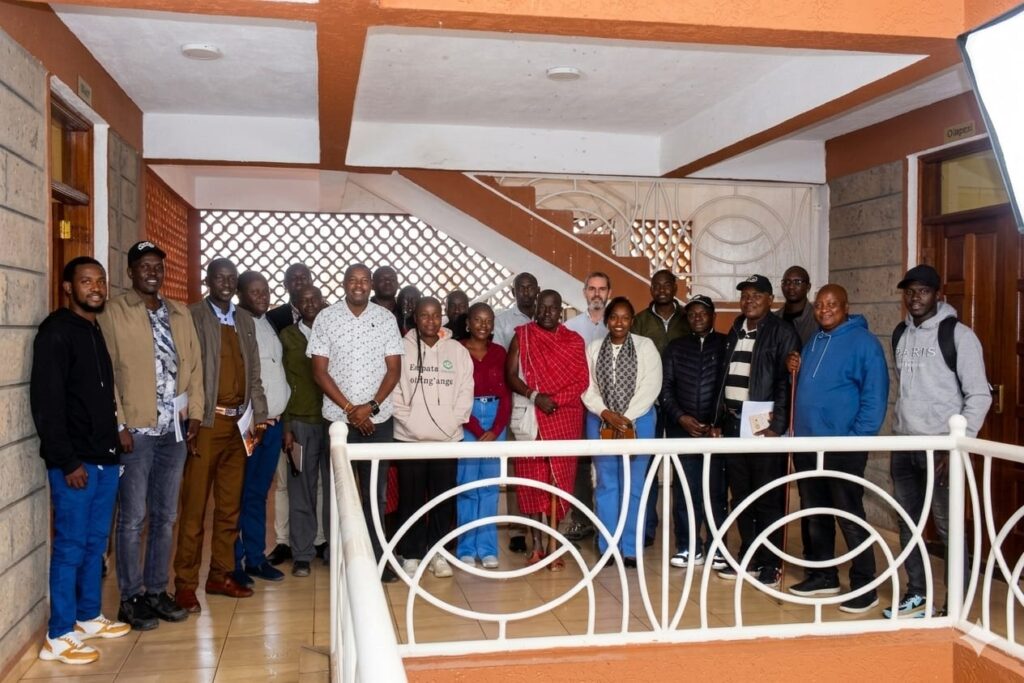
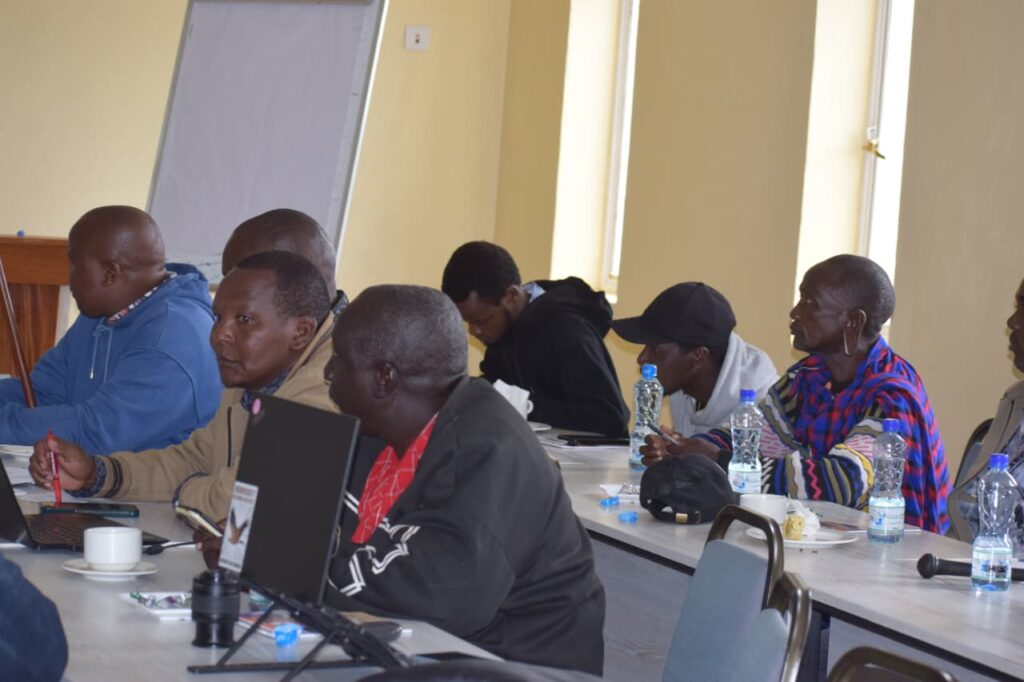
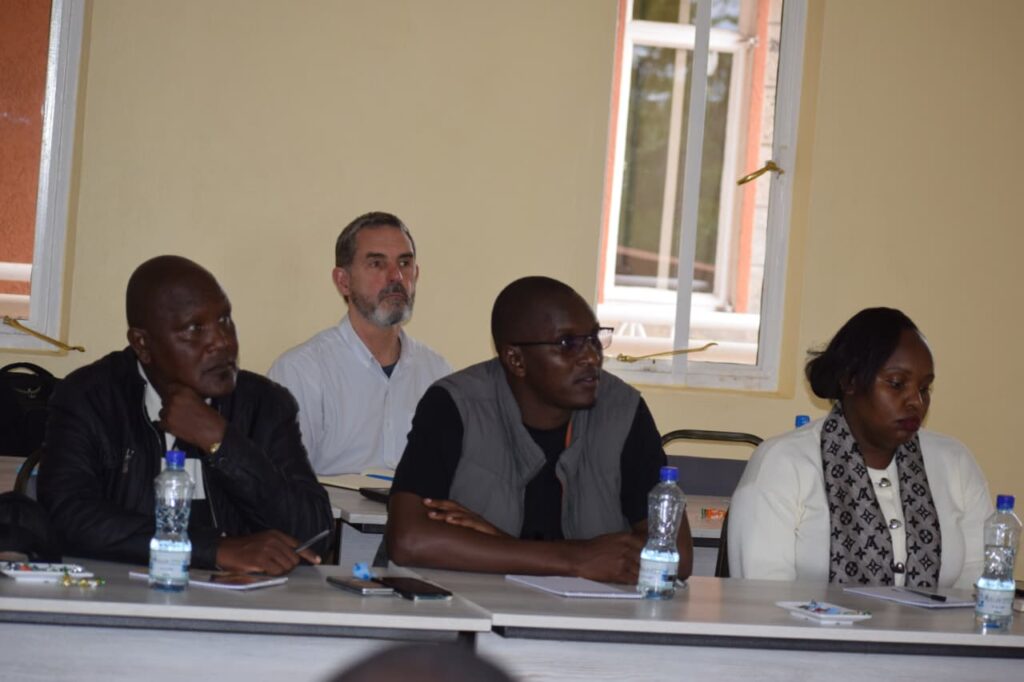


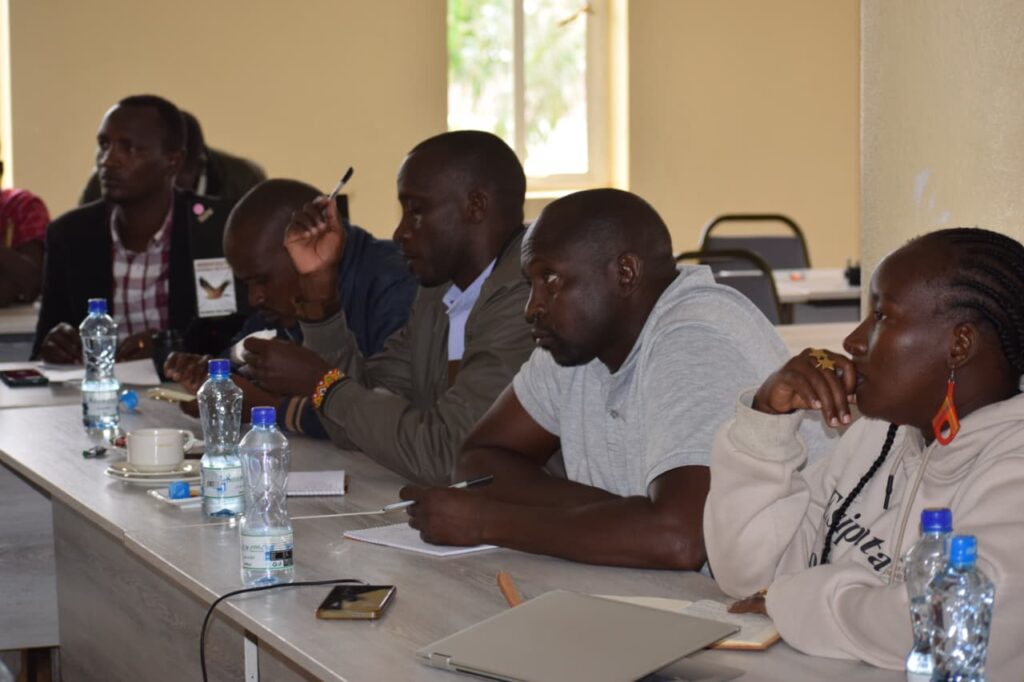
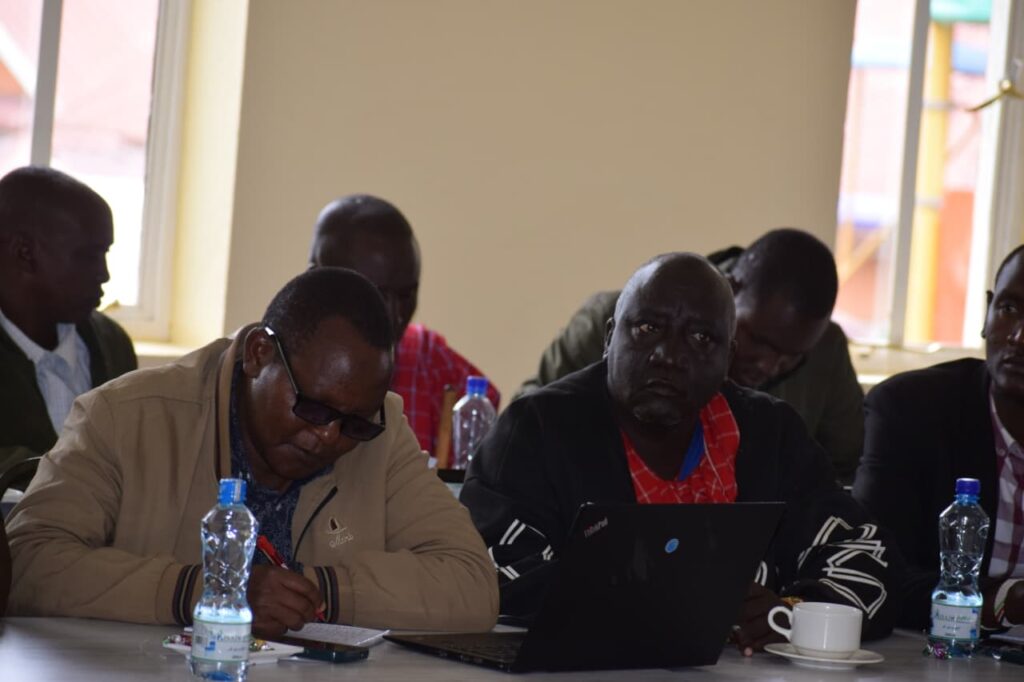
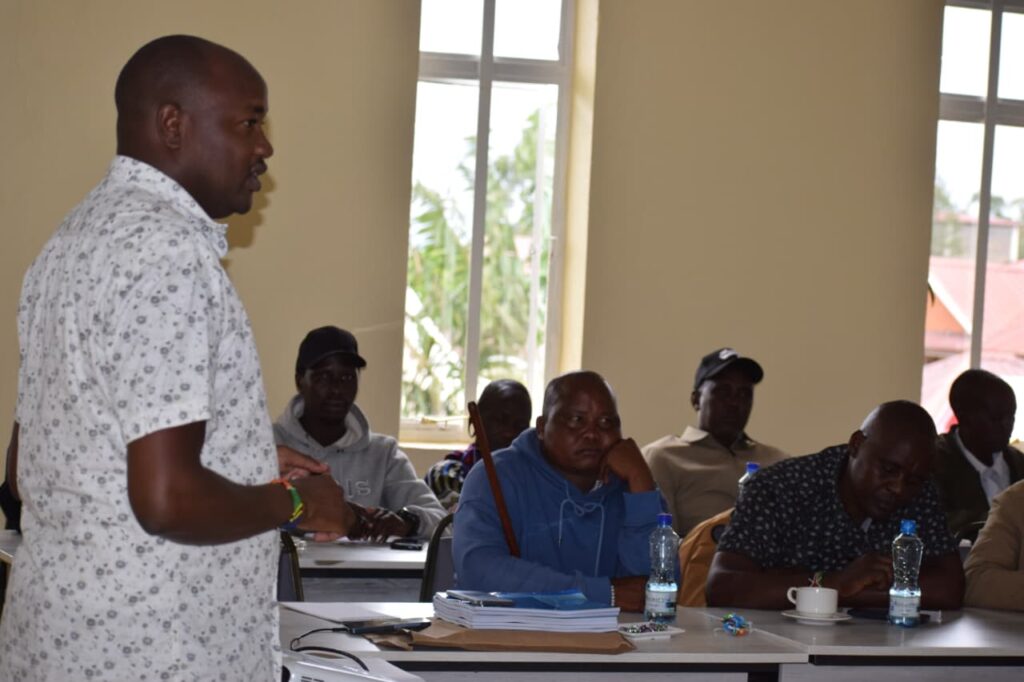
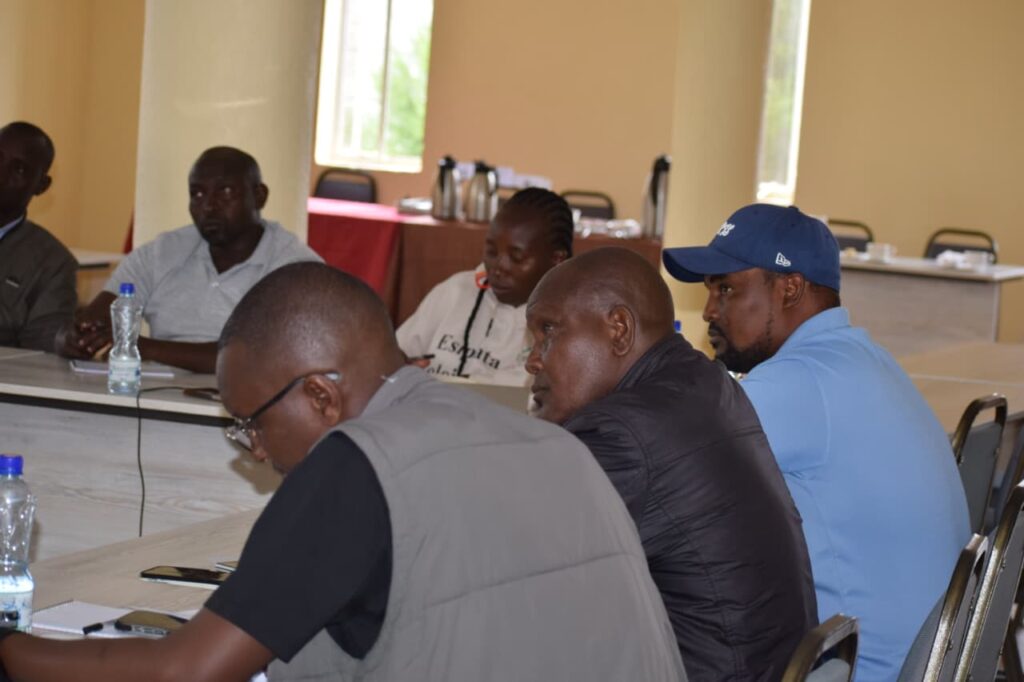
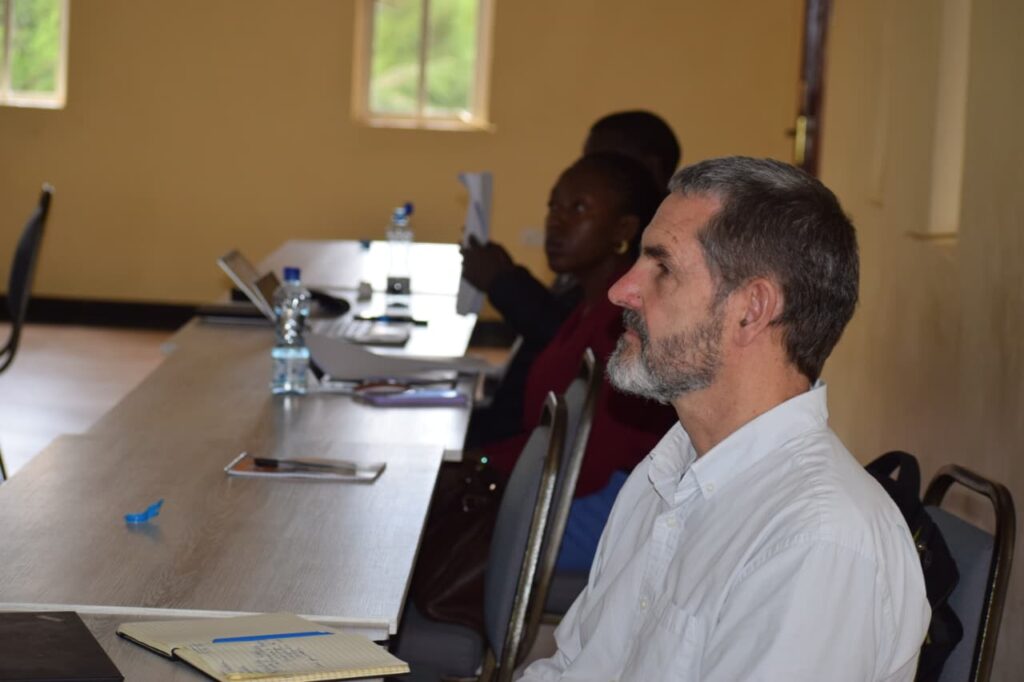
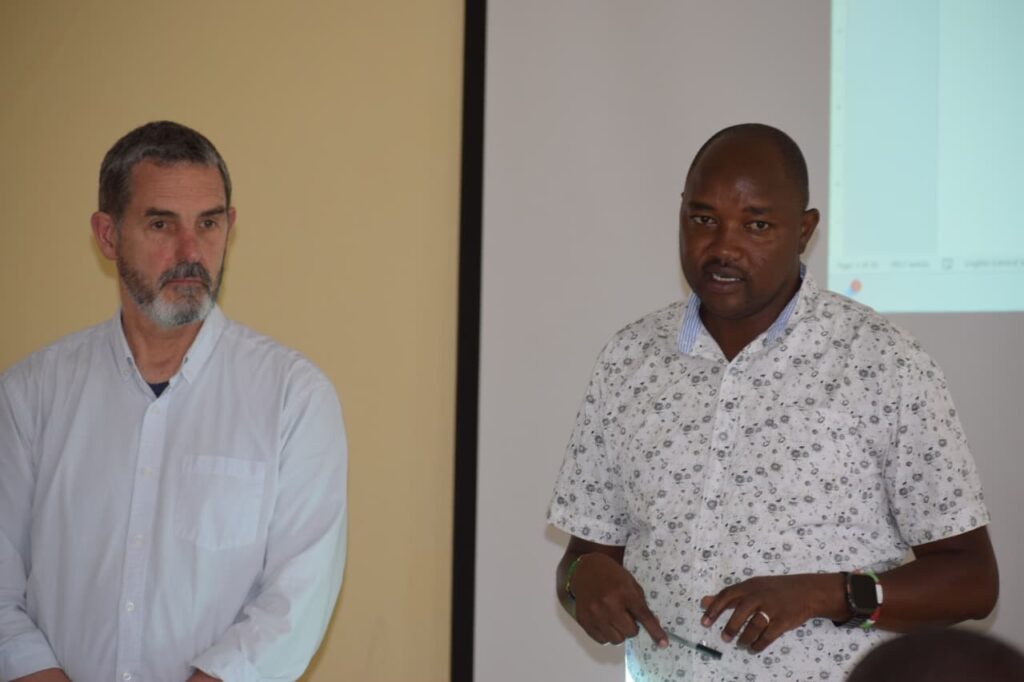
Leaders from the Magadi region convened for a consultative meeting to review the status of the Kajiado Rangeland Carbon Project and discuss development of the Community Development Agreement (CDA), a key requirement under Kenya’s climate regulations for projects seeking government approval to generate and sell carbon credits.
The meeting brought together community leadership alongside county and national government representatives to ensure the project aligns with both regulatory requirements and local priorities.
Among those in attendance were Madam Judy Pere, County Executive Committee Member (CECM) for Water Services, Environment, Natural Resources and Climate Change; Mr. Peter Pushati, Director of Climate Change; and Dr. Jusper Omwenga of the National Environment Management Authority (NEMA). Their participation reflects strong collaboration between government and community stakeholders in advancing responsible climate initiatives.
During the meeting, leaders from the participating community lands shared reflections on the project’s development, highlighting its origins, current progress, and the benefits already being experienced locally. They emphasized the importance of transparency, inclusive participation, and clear governance structures as the project moves forward.
Discussions also focused on implementation of provisions under Kenya’s Climate Change Act, including the establishment of clear commitments and frameworks to guide project activities and community benefit sharing.
Similar consultative meetings are planned across other project areas, including RAMAT, Eselenkei, and the Amboseli region, as part of the process toward securing a Letter of Approval (LoA) from the Government of Kenya.
In a related milestone, Oloolera River Conservancy has successfully signed both the Benefit Sharing Agreement (BSA) and Tripartite Carbon Rights (TCR) agreements with Soils for the Future Africa. This collaboration will support the rollout of a Rapid Rotation Grazing management plan designed to restore degraded rangelands and promote sustainable livestock management.The initiative will also generate financial returns for communities through carbon credit revenues, strengthening livelihoods while reinforcing community-led conservation.